

Discovering Functional Fitness: Your Path to a Healthier Life

Updated: Jan 5
We often think of fitness in terms of big goals: running a marathon, lifting heavy weights, or achieving a specific look. But the true measure of a healthy, resilient body lies in the simple, everyday movements we often take for granted. Your ability to age independently and enjoy life pain-free hinges on these foundational skills. We call this Functional Fitness.
Take a moment to honestly answer these three critical questions. Your answers are a powerful predictor of your future mobility, balance, and stability.
❓ Question 1: Can you put your underwear or pants on without needing to lean on anything or sit down?
If you find yourself grabbing the wall, a chair, or your partner just to pull on your clothes, it’s a red flag for poor static balance and weak hip/core stabilizers. This difficulty means you’re relying on your vision (external support) rather than your internal muscles to maintain a one-legged stance—a crucial skill for everything from walking to climbing stairs.
The Simple Solution: The Single-Leg Clock Drill
This drill strengthens the hip, core, and ankle stability, all at once.
How to do it:
1. Stand tall, next to a sturdy chair or wall (just in case!).
2. Lift your right foot a few inches off the floor.
3. Imagine a clock face on the floor around your standing foot.
4. Without letting your standing knee buckle or your hips shift, reach your lifted foot out to tap 12 o'clock (straight forward).
5. Bring it back to center, then reach out and tap 3 o'clock (straight to the side).
6. Bring it back to center, then reach out and tap 6 o'clock (straight behind you).
Target: 5 taps at each position (12, 3, 6) on both legs.
❓ Question 2: Can you stand up from a sitting position (chair or floor) without back pain or using your hands?
Needing to brace your hands on your knees, rock forward multiple times, or experiencing a sharp twinge in your lower back when you stand up is a sign of an underdeveloped Posterior Chain (glutes and hamstrings) and a weak Core Brace. Your lower back is taking over the job that your powerful leg and butt muscles should be doing.
The Simple Solution: The Glute Bridge Progression
This exercise is the foundation for a strong, pain-free lower back and powerful hips.
How to do it:
1. Lie on your back with your knees bent and feet flat on the floor, hip-width apart. Your heels should be close enough to touch your fingertips.
2. Brace: Gently draw your belly button toward your spine (don't clench hard, just a light brace).
3. Push through your heels and squeeze your glutes (butt muscles) to lift your hips off the floor until your body forms a straight line from your shoulders to your knees.
4. Hold for a 2-second squeeze at the top, focusing only on the glutes.
5. Slowly lower down.
Target: 3 sets of 15 repetitions. Feeling too easy? Progress to the Single-Leg Glute Bridge to target imbalances.
❓ Question 3: Do you have confidence in your body to catch yourself if you trip or get up quickly and easily if you fall?
This isn't just about strength; it's about Neuromuscular Reaction Time and Total Body Mobility. The ability to catch yourself from a stumble requires instant core activation and fast, flexible foot/ankle movement. Getting up quickly requires adequate hip and upper-body strength. Losing this confidence often leads to an unconscious reduction in activity, which accelerates muscle loss and further weakness—the very thing we need to avoid as we age.
The Simple Solution: The Get-Up-and-Go Test & Practice
The best way to feel confident about falling is to practice getting up!
How to do it:
1. Sit comfortably on the floor (use a pillow if needed).
2. Challenge: Set a timer and see how quickly you can get from the sitting position to a full, upright standing position without using your hands for support. Note: If you need to use your hands, that’s okay, but practice making the movement as quick and fluid as possible.
3. Massage Focus: Target your hip flexors (the front of your hip) and quadriceps with a foam roller or professional massage. Tight hip flexors inhibit your glutes, making it harder to initiate the movement of getting up. A targeted Remedial massage here can unlock your lower body power.
Target: Practice getting up and down 5 times a day. Your speed and ease will dramatically improve within 1-2 weeks.
The Role of Massage and Bodywork
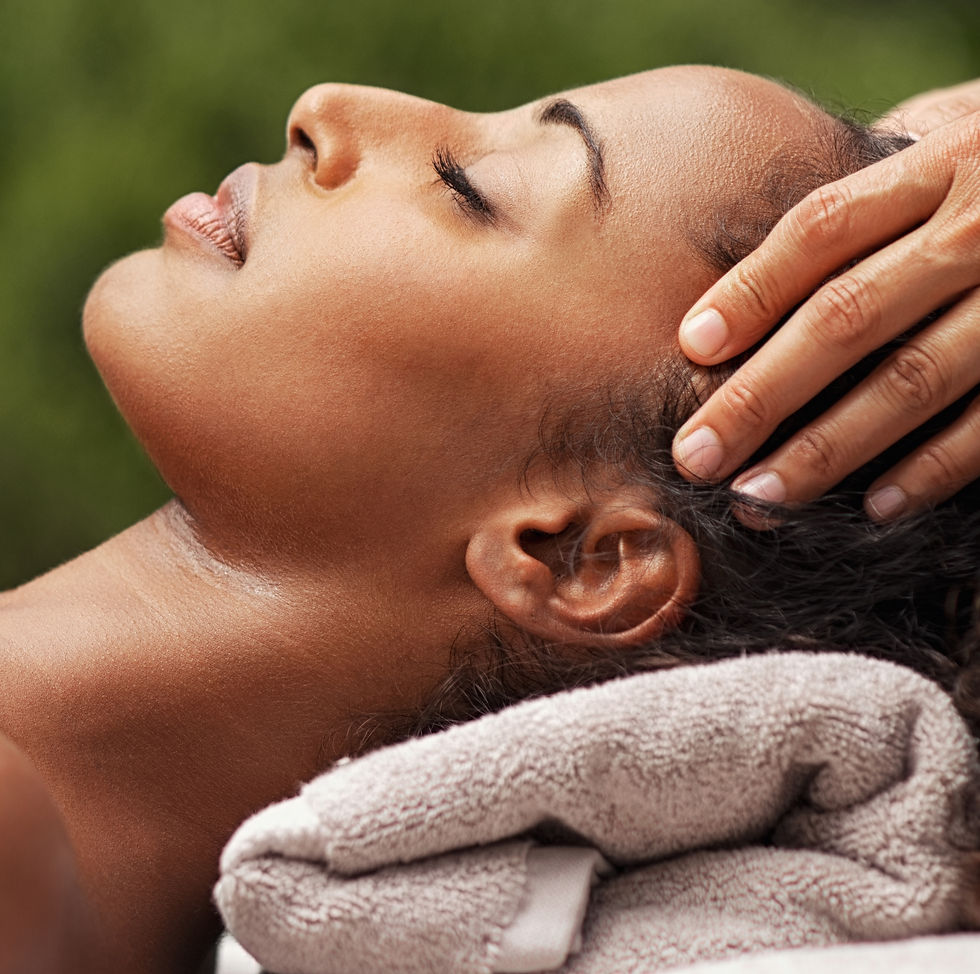
While exercise builds the muscles, thorough massage and bodywork prepare the body to use those muscles efficiently.
It frees the brakes: Tight muscles act like brakes on your movement. A skilled Remedial assessment and Massage treatment can release chronic tension, allowing your muscles to move through their full range without restriction or pain.
It improves sensory input: Massage stimulates the nervous system, improving proprioception—your body's ability to sense its position in space. Better proprioception directly translates to better balance and a faster reaction time when you stumble.
Start Your Journey Today!
Don't wait until these simple questions become a definite "no." Start integrating these effective, easy-to-follow fixes today! Remember, your journey to functional fitness is just beginning, and every little step counts.
Bel
SaBella Massage Therapy

Comments